Citizen Engagement Platforms: Best Practices and Examples for Transparent, Participatory Governance
What Is a Citizen Engagement Platform?
A citizen engagement platform is a digital infrastructure tool that enables the public to participate meaningfully in governance — from commenting on draft legislation to tracking parliamentary votes and submitting formal consultations. These platforms sit at the intersection of civic tech and democratic process, giving institutions a structured channel for two-way communication with the people they serve.
The distinction matters: these are not customer service portals or marketing tools. Their purpose is democratic accountability. When designed well, they create a durable link between public opinion and policy outcomes, making government more responsive and its processes more legible to ordinary citizens.
As digital civic infrastructure has matured, engagement platforms have become central to open government commitments worldwide. They support participatory democracy not by replacing elected representatives, but by giving citizens a more direct line into the legislative process — before decisions are finalized.
Core Features That Make Engagement Platforms Effective
Effective citizen engagement platforms share a recognizable set of functional features that separate genuine participation tools from digital window dressing. The most important of these is a closed feedback loop — a mechanism that shows citizens how their input was considered, not just collected.
Beyond that, high-performing platforms typically include:
- Public consultation tools — structured comment periods tied to specific policy proposals or draft legislation, with clear submission deadlines
- E-petition and signature systems — allowing citizens to raise issues that trigger formal parliamentary or government responses once thresholds are met
- Legislative tracking — real-time updates on bill progress, committee hearings, and voting records
- Open government data integration — machine-readable exports and APIs so civil society organizations and researchers can analyze and redistribute public information
- Multilingual access — essential for linguistically diverse populations; a platform only available in a dominant language structurally excludes minority communities
- Mobile-first design — in many regions, smartphones are the primary internet access point, making mobile accessibility a democratic requirement, not a convenience
Platforms that lack even one of these features tend to produce lopsided participation — high engagement from already-engaged demographics, near-zero input from everyone else.
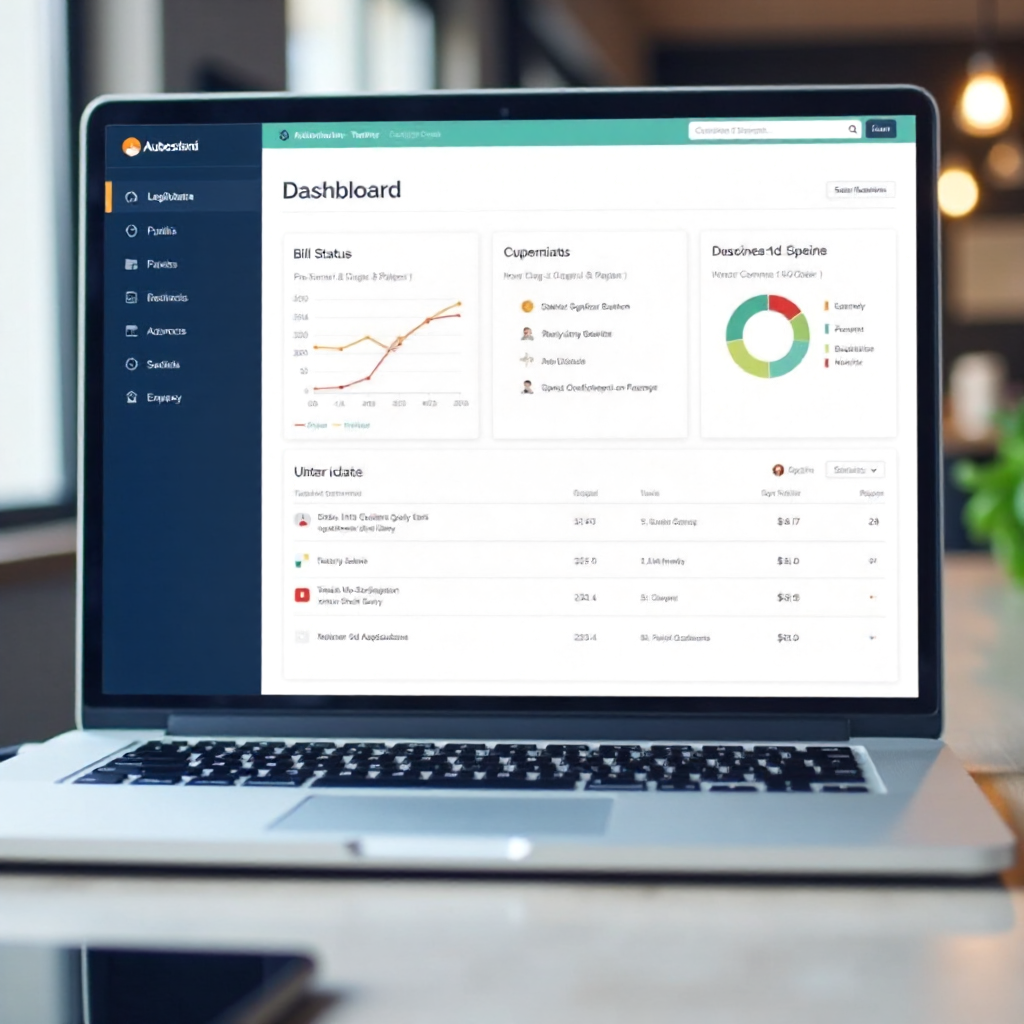
Best Practices for Designing Citizen Engagement Initiatives
Good platform design starts with a clear answer to one question: who is this actually for? The most common failure mode in civic tech is building for the median politically active citizen — educated, digitally fluent, already engaged — while structuring the entire initiative around their comfort level.
Genuine inclusive design means testing with populations who face barriers: older adults, people with disabilities, those with limited digital literacy, and communities with historical reasons to distrust government institutions. Accessibility under WCAG 2.1 standards is a baseline, not a ceiling.
Several practices consistently improve outcomes:
- Plain-language communication — policy documents translated into accessible summaries before asking for public comment; jargon is a participation barrier
- Sustained community involvement — engagement that runs only during formal consultation windows trains citizens to expect nothing will change; ongoing participation builds trust over time
- Proactive outreach — pushing notifications to citizens about issues relevant to their region or stated interests, rather than waiting for them to seek out the platform
- Transparent decision records — publishing summaries that explicitly connect citizen submissions to policy changes, even when input was considered but not adopted
The feedback loop deserves special emphasis. Citizens who submit input and never hear what happened with it are unlikely to participate again — and they tell others. Closing the loop is not a courtesy; it is the mechanism through which trust in participatory democracy is built or destroyed.
Examples of Citizen Engagement Platforms in Practice
Several platform models have demonstrated what effective digital participation looks like across different governance contexts. Each reflects a different entry point into the civic tech ecosystem.
E-Petition Systems
Parliamentary e-petition platforms allow citizens to raise issues directly with legislatures. When a petition crosses a defined threshold — typically a set number of verified signatures within a time limit — it triggers a formal parliamentary response or debate. The strength of this model is its direct connection to legislative procedure: participation has a defined outcome, not just an acknowledgment. The limitation is that threshold requirements can inadvertently favor issues with existing organized constituencies.
Legislative Comment Portals
These platforms open draft legislation to public comment during defined review periods. Well-designed versions display submitted comments publicly, allow responses from officials, and publish a summary of how the feedback influenced the final text. The transparency of the record — visible to journalists, researchers, and other citizens — creates accountability pressure that closed consultation processes lack.
Participatory Budgeting Tools
Used by cities and regional governments, participatory budgeting platforms invite residents to propose and vote on how a portion of public funds is allocated. This model produces measurable, tangible outcomes — a park renovation, a community center repair — which makes the connection between participation and result unusually clear. It works best at the local level where the scope of decisions is concrete and the affected community is identifiable.
Open Parliament Portals
Dedicated open parliament platforms aggregate legislative data — votes, attendance records, committee memberships, declared interests — and present it in formats accessible to non-specialists. Some integrate public comment functionality directly alongside legislative records, so citizens can respond to a specific bill or amendment in context. For civic organizations working on policy accountability, these portals serve as primary research infrastructure.
How Open Parliament Principles Strengthen Engagement
Open parliament frameworks do more than publish data — they create the conditions under which meaningful citizen engagement becomes possible. Without access to legislative information in usable formats, participation is largely performative.
The core open parliament commitments — proactive disclosure of parliamentary records, machine-readable data publication, accessible archives of debates and votes — give citizens the context they need to engage substantively. A resident commenting on a housing bill is far better positioned to contribute useful input if they can see the committee hearing transcripts, the declared interests of sponsoring legislators, and the history of similar legislation.
Platforms built on open parliament principles also enable legislative feedback mechanisms that are structurally integrated with the policy process, not bolted on as an afterthought. The Open Government Partnership has documented how countries that combine proactive data disclosure with structured public participation consistently produce more accountable policy outcomes than those relying on either approach alone.
For civic tech organizations, this integration is a design imperative: engagement platforms that display live legislative data alongside participation tools collapse the distance between watching government and influencing it.
Common Pitfalls and How to Avoid Them
Even well-resourced engagement initiatives fail in predictable ways. Recognizing these patterns early saves significant time and credibility.
Tokenistic Participation
Consultation processes that run after key decisions have already been made internally — where public input cannot realistically change the outcome — erode trust faster than no consultation at all. Citizens recognize when their participation is decorative. The fix is structural: engagement must be built into the decision timeline at a stage where input can genuinely alter direction.
Digital Literacy Gaps
Assuming that making a platform available online means it is accessible to everyone ignores the reality of uneven digital skills across populations. Platforms targeting older adults, rural communities, or lower-income households need offline participation pathways — phone submissions, community facilitators, in-person sessions — running in parallel with digital channels.
No Follow-Through on Citizen Input
Collecting submissions without publishing outcomes is the single most common reason engagement platforms fail to generate repeat participation. Every consultation should end with a published response that explains what happened to the input received — even if the answer is "this was considered but not adopted, for the following reasons."
Data Privacy and Consent Failures
Civic platforms collect sensitive information about political views and identities. Weak data governance — vague consent language, unclear retention policies, insufficient security — creates real risk for participants, particularly in contexts where political expression carries personal consequences. Privacy by design is not optional in civic tech; it is a prerequisite for ethical operation.
Building a Sustainable Engagement Strategy
Sustainable citizen engagement is a governance practice, not a project. The difference matters: projects have end dates, budget lines, and completion criteria. Governance practices are embedded in institutional workflows and outlast any individual initiative.
Institutions serious about long-term participatory democracy need to treat their engagement platforms as ongoing infrastructure — maintained, iterated, and resourced across budget cycles. This means:
- Assigning dedicated staff responsible for platform maintenance and community management, not just launch
- Building participation metrics into institutional performance reporting so engagement outcomes are visible alongside other governance indicators
- Conducting regular accessibility audits and updating platforms as digital standards evolve
- Creating formal processes for translating citizen input into policy documentation — so the connection between participation and decision-making is traceable
The civic tech ecosystem offers tools, but tools require institutional commitment to produce outcomes. A platform without organizational follow-through is an expensive survey form. With it, it becomes a genuine channel for participatory democracy that strengthens the relationship between government and the people it represents.
Frequently Asked Questions
What is the difference between citizen engagement platforms and e-government portals?
E-government portals primarily deliver services — tax filing, license renewals, permit applications. Citizen engagement platforms are designed for two-way participation in governance: submitting input on policy, tracking legislation, signing petitions. The distinction is between transactional service delivery and democratic participation. Some platforms combine both functions, but the design priorities are different.
How can governments ensure marginalized communities are included in digital engagement?
Digital inclusion requires active outreach, not passive availability. Effective approaches include partnering with community organizations that already have trust relationships with underserved populations, offering offline participation pathways alongside digital ones, providing content in multiple languages and plain-language formats, and compensating community facilitators who help residents navigate participation processes.
What role does open data play in citizen engagement?
Open government data is the foundation for informed participation. When legislative records, budget documents, and policy proposals are published in accessible, machine-readable formats, citizens and civil society organizations can analyze them, identify issues, and contribute substantive input. Without open data, engagement platforms risk becoming comment boxes disconnected from the actual policy process.
How do organizations measure the success of a citizen engagement platform?
Meaningful metrics go beyond raw participation numbers. Useful indicators include the demographic diversity of participants (to assess inclusion), the rate of return participation (a proxy for trust), the proportion of consultations that produce published response summaries, and documented instances where citizen input influenced a policy decision. Volume metrics alone — submissions received, page views — say little about democratic quality.
Can small municipalities or civil society organizations use citizen engagement platforms effectively?
Yes, and often more effectively than large institutions. Smaller scale means closer proximity between participants and decision-makers, which makes the feedback loop more visible and credible. Several open-source civic tech tools are designed specifically for resource-constrained organizations. The key is matching platform complexity to institutional capacity — a well-run simple consultation process produces better outcomes than a sophisticated platform no one has time to manage.