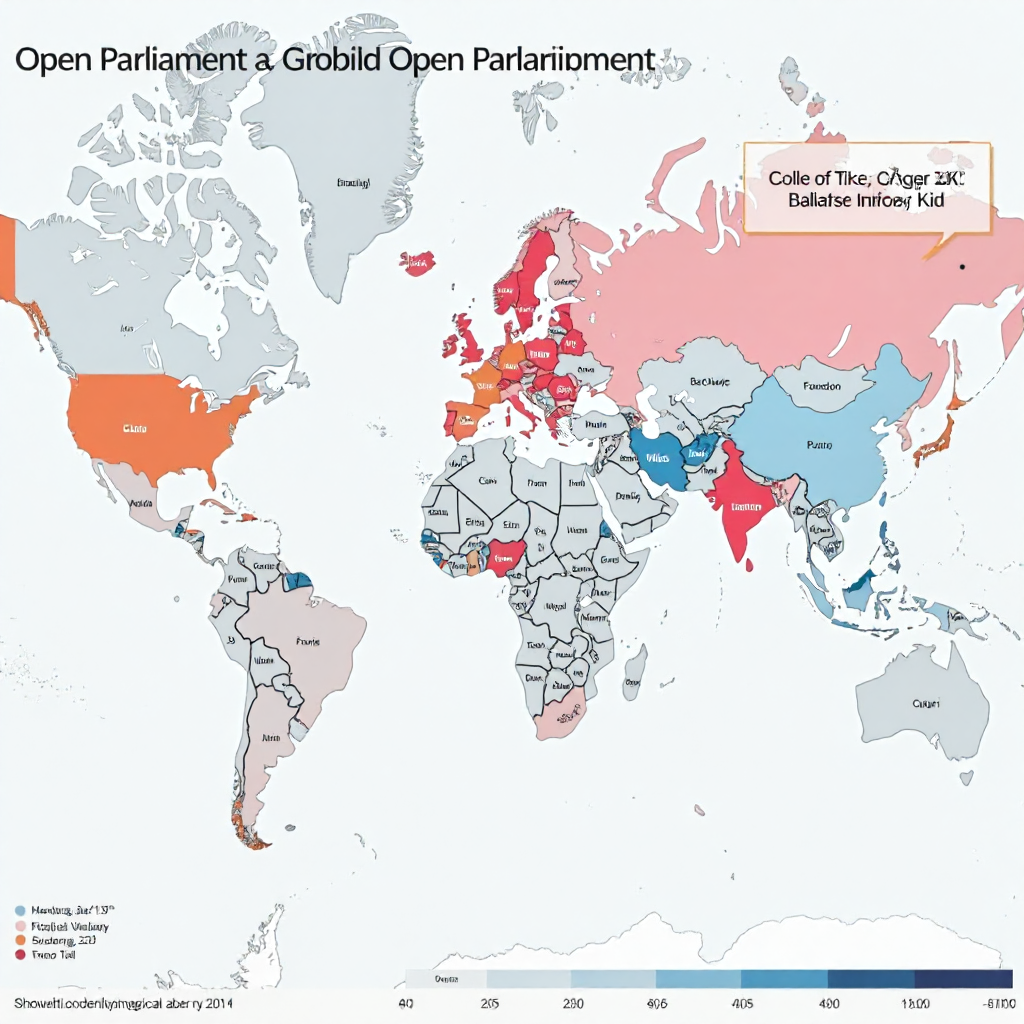
Case Studies: Successful Open Parliament Initiatives Worldwide
Open parliament initiatives have revolutionized democratic governance by fostering transparency, enhancing public participation, and strengthening parliamentary accountability. Around the world, innovative projects leveraging civic technology and digital democracy tools have expanded citizen access to legislative open data and policy processes. By reviewing successful case studies, policymakers, activists, and technology developers can gain valuable insights into effective approaches that drive transparency in governance and enrich public discourse.
Understanding Open Parliament and Its Significance
Open parliament refers to the practice of making parliamentary proceedings, decisions, and data freely accessible and understandable to the public. This transparency enables citizens to hold their representatives accountable and participate meaningfully in democratic processes. Public access to legislative information fosters trust, reduces corruption, and improves the quality of policy-making by incorporating diverse perspectives.
Transparency in governance is a cornerstone of modern democracies. By sharing detailed legislative records, voting behaviors, and committee reports, open parliaments transform opaque institutions into accessible forums. Coupled with civic technology innovation, such openness allows not only observation but also active public participation in areas like deliberation and participatory budgeting. Ultimately, open parliament initiatives help bridge the gap between elected officials and constituents, promoting a more responsive and accountable government.
Innovative Open Parliament Initiatives Across Continents
Several countries have pioneered advanced open parliament frameworks that showcase diverse strategies aligned with local contexts. Below are four noteworthy case studies illustrating how legislative transparency and civic tech converge worldwide.
Chile's Participatory Budgeting and Open Data Platform
Chile has integrated open parliament principles with nationwide participatory budgeting. The government implemented a digital platform allowing citizens to propose, debate, and prioritize community projects financed by public funds. Chile’s parliament also releases well-structured legislative open data, including bill tracking and voting records.
This approach combines transparency with direct public participation, empowering citizens to influence policy impact at the grassroots level. Transparency increases trust in budget allocations and enhances civic engagement, with over 100,000 participants annually in budgeting processes.
Estonia's Digital Democracy Tools for Parliamentary Access
Estonia exemplifies cutting-edge civic technology powering open parliament. Its e-Parliament platform offers real-time access to debates, committee discussions, and legislative drafts, all backed by secure digital identities for citizens to interact officially.
By embedding open data and digital signatures, the platform facilitates public scrutiny and feedback loops essential for parliamentary accountability. Estonia’s model allows digital petitioning and direct dialogue with lawmakers, reflecting a mature integration of technology and transparency.
Kenya’s Open Data Portal and Civic Tech Engagement
Kenya’s open parliament initiatives center on legislative open data combined with grassroots civic tech applications. The Kenyan Parliament’s open data portal publishes detailed information on bills, motions, and budget allocations. Civil society organizations harness this data to develop mobile apps that track parliamentary performance and promote citizen monitoring.
This synergy has strengthened transparency in governance in a context with diverse challenges, enhancing parliamentary openness and boosting informed public participation in governance debates.
United Kingdom’s Committees Digital Transparency
The UK Parliament has made comprehensive strides in opening committee proceedings. It publishes transcripts, evidence submissions, and video recordings online, complemented by sophisticated search tools for public navigation.
This strategy extends accountability deep into parliamentary oversight mechanisms, enabling citizens and media to scrutinize policy impact more effectively. These efforts demonstrate how transparency combined with user-friendly digital interfaces enhances engagement among a broad constituency.
Key Technologies and Tools Driving Open Parliament Efforts
Digital platforms and tools are at the heart of modern open parliament initiatives, enabling transparent access and interactive citizen involvement. Key technologies include:
- Legislative Open Data Portals: Centralized repositories publishing structured datasets like bills, votes, and committee reports, crucial for data-driven transparency.
- Real-time Streaming and Archiving: Video and audio streams of parliamentary sessions allow citizens to observe debates live or access archives anytime.
- Digital Democracy Tools: Platforms enabling e-petitions, consultations, and direct messaging between representatives and constituents.
- Civic Tech Applications: Independent apps and websites that analyze parliamentary data, rank legislators, and simplify complex policy information.
- Secure Digital Identities: Authentication methods to ensure trustworthy citizen participation and protect data integrity.
These technologies collectively improve parliamentary accountability by lowering access barriers and enabling real-time interaction. However, successful adoption depends on user-friendly design, data standardization, and infrastructure inclusivity.
Impact on Public Policy and Civic Engagement
Open parliament initiatives have demonstrably shifted how public policy evolves and how engaged citizens are with governance. Transparent legislative data allows civil society and the media to analyze policy proposals critically before enactment, preventing unchecked executive power.
Moreover, by inviting public participation through participatory budgeting or digital consultations, these initiatives increase citizen ownership of legislation, fostering enhanced compliance and social cohesion. For example, Chile’s participatory budgeting has led to policies more attuned to community needs, while Estonia’s digital democracy tools generate direct input that lawmakers incorporate in real-time.
Increased awareness and easy access to parliamentary activities also improve voter knowledge and turnout, reinforcing democratic legitimacy. Overall, open parliament efforts create a feedback loop where transparency nurtures engagement, which in turn elevates the quality and impact of public policies.
Challenges Faced and Lessons Learned
Despite successes, open parliament projects encounter significant obstacles. Common challenges include:
- Data Quality and Standardization: Disparate data formats and incomplete records limit usability and trustworthiness.
- Digital Divide: Unequal access to internet and technology excludes marginalized populations from participation.
- Political Resistance: Some legislators may oppose transparency measures fearing scrutiny or loss of control.
- Sustainability: Maintaining and updating digital platforms demands ongoing funding and technical expertise.
Lessons from global experience highlight the importance of engaging citizens early, addressing accessibility gaps, embedding legal frameworks for transparency, and fostering collaboration between governments, civic tech communities, and media. For instance, Kenya’s partnerships with civil society ensured relevance and local uptake of open data tools despite technological challenges.
How to Replicate Successful Open Parliament Models
Governments and organizations interested in launching open parliament initiatives should follow a stepwise approach:
- Assess existing transparency levels and identify legislative information gaps.
- Engage stakeholders including parliamentarians, tech developers, civil society, and citizens from the outset to co-design solutions.
- Build or adopt digital platforms that are user-friendly, accessible, and compliant with data standards.
- Implement legal safeguards guaranteeing public access to parliamentary data and protecting data privacy.
- Promote digital literacy and inclusion to ensure broad public participation.
- Measure impact consistently and iterate using citizen feedback and performance metrics.
Replicating success also means tailoring open parliament features to context-specific needs, balancing transparency with confidentiality when required, and fostering an open culture within parliament institutions.
Frequently Asked Questions
What are the core features of an open parliament?
Core features include free access to parliamentary information (bills, debates, votes), mechanisms for public participation (consultations, petitions), and tools for transparency such as open data portals and live streaming of sessions.
How does open parliament improve democratic accountability?
By making legislative processes visible and accessible, open parliament allows citizens to monitor decisions and hold representatives responsible, reducing corruption and enhancing trust.
Which technologies are most effective for parliamentary transparency?
Legislative open data platforms, real-time streaming, digital democracy tools like e-petitions, and secure digital identity systems are highly effective when combined with user-friendly interfaces.
Can open parliament initiatives work in less developed countries?
Yes, though challenges such as internet access and political will exist. Tailored civic tech solutions and partnerships with local communities can adapt open parliament models to varying contexts effectively.
What role can citizens play in open parliament platforms?
Citizens can monitor legislative activities, participate in consultations and budgeting, submit petitions, and use civic tech tools to amplify their voices and influence policymaking.